

5 Benefits of Fennel for Health and Culinary Use
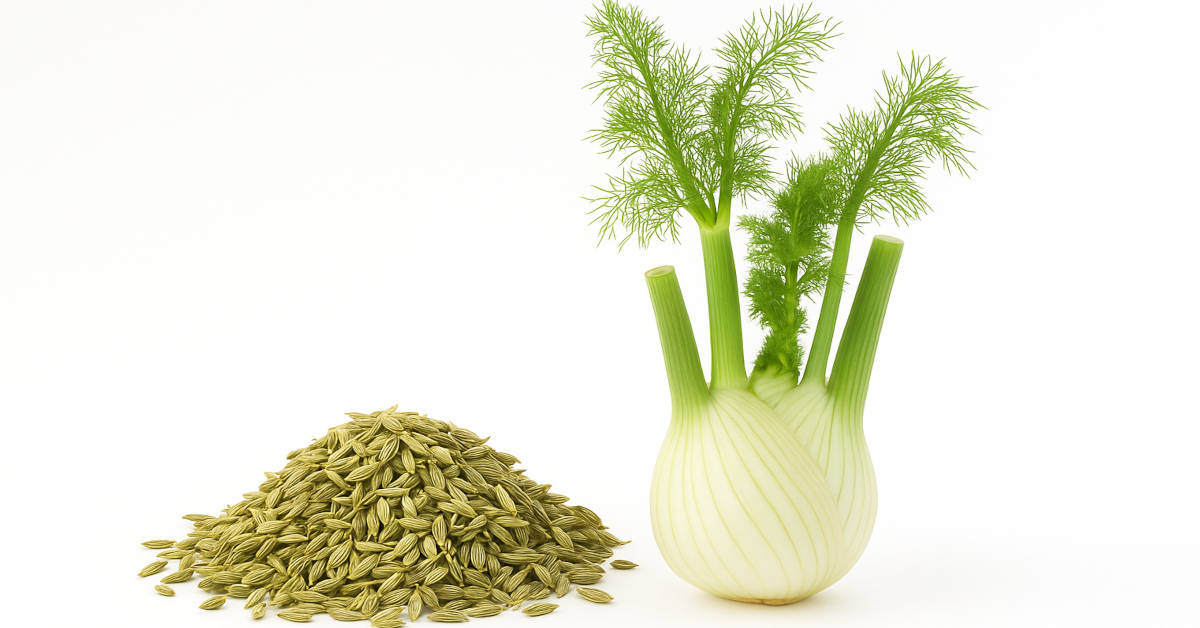
Let’s take a closer look at the various aspects and benefits of fennel. Fennel (Foeniculum vulgare) is an aromatic plant that has been used for thousands of years for its medicinal, culinary and aromatic properties. It is a perennial plant of the Apiaceae family, which is widespread in the Mediterranean and other regions of the world. Fennel has a characteristic sweet aroma reminiscent of anise and both its seeds and leaves are used.
Historical Review
Fennel has a long history of use dating back to ancient Greece and Rome. The ancient Greeks and Romans considered it a symbol of strength and success. It was widely used for its therapeutic properties and was often mentioned in medical texts of antiquity.
Nutritional Value of Fennel
Rich in nutrients, some of its key ingredients include:
- Vitamins: It contains vitamin C, which is essential for the immune system, as well as B-complex vitamins that support metabolic function.
- Minerals: It is rich in potassium, calcium, and iron, which are important for bone health, muscle function, and the production of hemoglobin.
- Dietary Fiber: Its dietary fiber supports healthy digestive function and helps reduce cholesterol levels.
Health benefits of fennel
- Digestive Support: It is well known for its beneficial effects on the digestive system. Its seeds have traditionally been used to relieve indigestion, bloating, and intestinal gas. The dietary fiber it contains supports healthy bowel function and can help prevent constipation.
- Anti-inflammatory Properties: It contains flavonoids and other compounds with strong anti-inflammatory effects. These compounds can help reduce inflammation in the body, which is a key factor in many chronic diseases.
- Immune System: Fennel’s high vitamin C content makes it an excellent ally for strengthening the immune system. Vitamin C supports the production of white blood cells, which are essential for fighting infections.
- Heart Health: Fennel may contribute to improved heart health. Its dietary fiber helps lower cholesterol levels in the blood, while potassium supports the regulation of blood pressure. In addition, its antioxidant properties help protect blood vessels from damage.
- Hormonal Balance: It contains phytoestrogens, which can help balance hormones in the body. This can be particularly beneficial for women experiencing issues related to the menstrual cycle or menopause.
Uses of Fennel in Cooking
Thanks to its distinctive aroma and flavor, some common uses of fennel include:
- Flavoring for Sauces and Soups: Leaves and seeds can be added to sauces and soups to impart a rich aroma.
- Salads: Fresh fennel leaves can be added to salads for extra flavor and nutritional value.
- Meat and Fish: It combines perfectly with meat and fish, giving a special flavor to dishes.
- Baked goods: Its seeds are often used in baked goods.
Benefits in Traditional Medicine
Has been widely used in traditional medicine for various purposes:
- Infusion: A warm drink made from fennel seeds, mint, and ginger is used to relieve indigestion and intestinal gas.
- Oil: Fennel essential oil is used to relieve joint pain and muscle aches through topical application.
Cultivation and Harvesting
Fennel is a plant that can be easily grown in various climatic conditions. It grows best in sunny locations with well-drained soils. Sowing can be done either directly into the ground or in nurseries, depending on the climatic conditions of the area.
Its harvest can be carried out both for its seeds and its leaves. The seeds are collected when the fruits ripen and turn brown, while the leaves can be harvested throughout the growing season.
Fennel Precautions
Although it is generally considered safe for consumption, there are certain precautions that should be taken into account:
Discover it in seeds, leaves, and dried form at Olive n Flower and enjoy its benefits in your daily life.




Add comment