

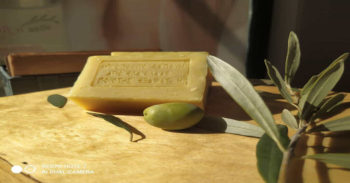
How to Make Olive Oil Soap
I make Olive Oil Soap at home
A traditional technique that can provide you with a natural, skin-friendly soap without chemical additives. By following this recipe, you can create your own soap, using simple ingredients and methods.
Oils and properties when used in soaps
In soap making, oils are the fundamental ingredients that determine the properties of the final product. The choice of the right oil (or combination of oils) affects the moisturizing ability, lathering quality, texture, longevity, and cleansing power of the soap.
Each oil contributes different characteristics, so selecting the appropriate oils in the correct proportions is essential for a well-balanced and skin-friendly soap.
Below are some of the most commonly used oils in soap making, their key properties, and the reasons they are chosen.
Olive oil

Properties
- Extremely moisturizing and nourishing.
- It provides a gentle, non-irritating effect on the skin.
- Contains natural antioxidants and vitamins (e.g. vitamin E).
Why we use it
Olive oil is often used in the preparation of “Castile soap” and other handmade soaps due to its gentle nature. It is ideal for sensitive and dry skin, as it provides deep hydration without removing the skin’s natural oils.
Coconut Oil
Properties
- High degree of dirt and grease removal, ensuring rich foam.
- It gives a solid form to soap when used in the correct proportions.
- It has natural antimicrobial properties.
Why we use it
Coconut oil is important for creating lather and increasing the cleansing power of soap. However, in large amounts it can cause dryness, so it is usually combined with other oils to balance texture and hydration.
Palm Oil
Properties
- It provides stability and hardness to the soap.
- Improves product consistency and shelf life.
Why we use it
Palm oil is added to help form a stable, hard soap that holds its shape and stores better. It is particularly useful for mass-producing soaps, although there is currently debate about the environmental impacts of palm oil production, leading to the pursuit of sustainable alternatives.
Castor Oil
Properties
- It provides a high amount of foam and improves the texture of the soap.
- It has cleansing and hydrating properties, contributing to skin hydration.
Why we use it
Castor oil helps create a more lather and moisturizing formula. It is often used in small proportions to enhance lather and add an extra dimension to the soap’s characteristics.
The right combination of oils in soap making is crucial for the final result. Each oil contributes differently: olive oil provides softness and hydration, coconut oil ensures foam and cleansing action, palm oil provides hardness and stability, while castor oil enhances the foaming property. The right choice and ratio of oils ensures that the soap will be effective, pleasant to use and friendly to the skin
Olive Oil Soap Recipe – Only 4 Ingredients Needed
Ingredients – for a basic recipe with only olive oil
- 1 liter of olive oil
- 128 grams of caustic soda (sodium hydroxide)
- 300ml water
- Essential oils for fragrance (optional)
- See essential oils for soaps here
Soap Making Equipment
- Precision scale
- Thermometer
- Glass/stainless steel container
- Hand blender
- Molds
- Safety glasses and gloves
Step-by-Step Instructions for Soap Making
1. Preparation
- Wear protection (gloves, glasses)
- Measure all ingredients accurately
2. Dissolving Caustic Soda
- Pour the water first, then slowly the caustic soda.
- Stir carefully – the temperature rises
- Let the mixture cool to 38-45°C.
3. Heating the Olive Oil
- Heat the olive oil to the same temperature as the solution
4. Mixing
- Add the caustic soda to the oil slowly.
- Mix with a spatula until smooth
5. Homogenization (Trace)
- Use the hand blender
- The mixture should resemble thick yogurt.
6. Add Essential Oils (optional)
- Add the fragrance and mix well
7. Casting
- Pour the mixture into the molds.
- Cover with a towel to maintain temperature.
8. Solidification – Cutting
- After 24-48 hours, remove from the molds
- Cut into bars
9. Maturation
- Place the bars in a dry and ventilated area.
- Wait 4-6 weeks before use

Key Takeaways
Making soap at home is a natural, economical, and creative process. By using high-quality plant-based oils, you can create soaps that gently cleanse, hydrate the skin, and contain no harmful ingredients.



Add comment